
Cast Iron Components in Grain Mill Machinery
2025-10-01
Cast Iron Components in Grain Mill Machinery: A Technical Overview of Manufacturing and Performance
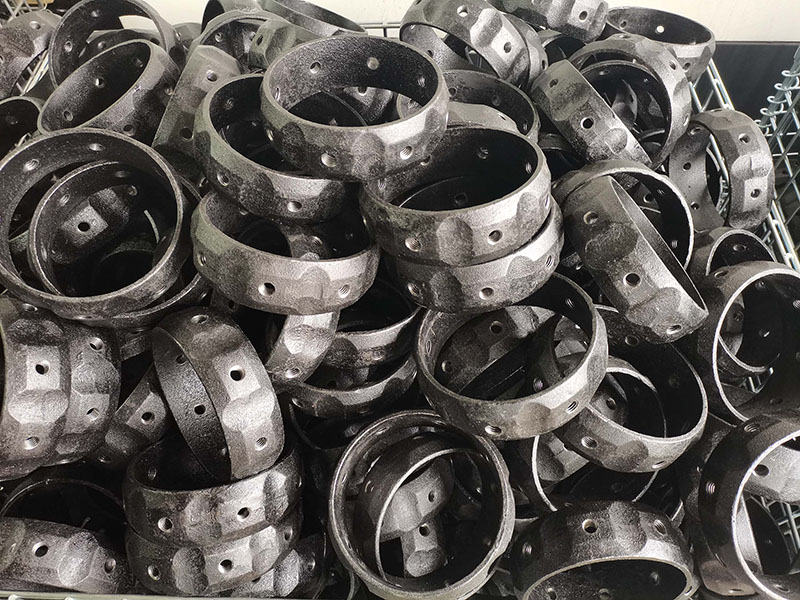
In the realm of grain processing equipment, gray iron castings maintain a pivotal role due to their exceptional wear resistance, superior vibration damping, and cost-effectiveness. For grain mill machines, the grinding efficiency, final product quality, and operational longevity are directly tied to the manufacturing precision and quality of their core cast iron parts. This article provides a technical overview of the specialized production processes and material science behind these critical components.
Foundry and Melting: The Foundation of Quality
The manufacturing process begins with a precisely calculated charge mix. High-purity pig iron, recycled steel scrap, and alloying elements—such as chromium for enhanced hardness and nickel for improved toughness—are melted in industrial electric or cupola furnaces. The goal is to achieve molten iron with exact chemical composition at temperatures exceeding 1400°C. Critical to this stage is the control of the carbon equivalent, which directly determines the final graphite flake structure and metal matrix of the casting, impacting the part's ultimate strength and machinability.
Molding and Pouring: Creating the Form
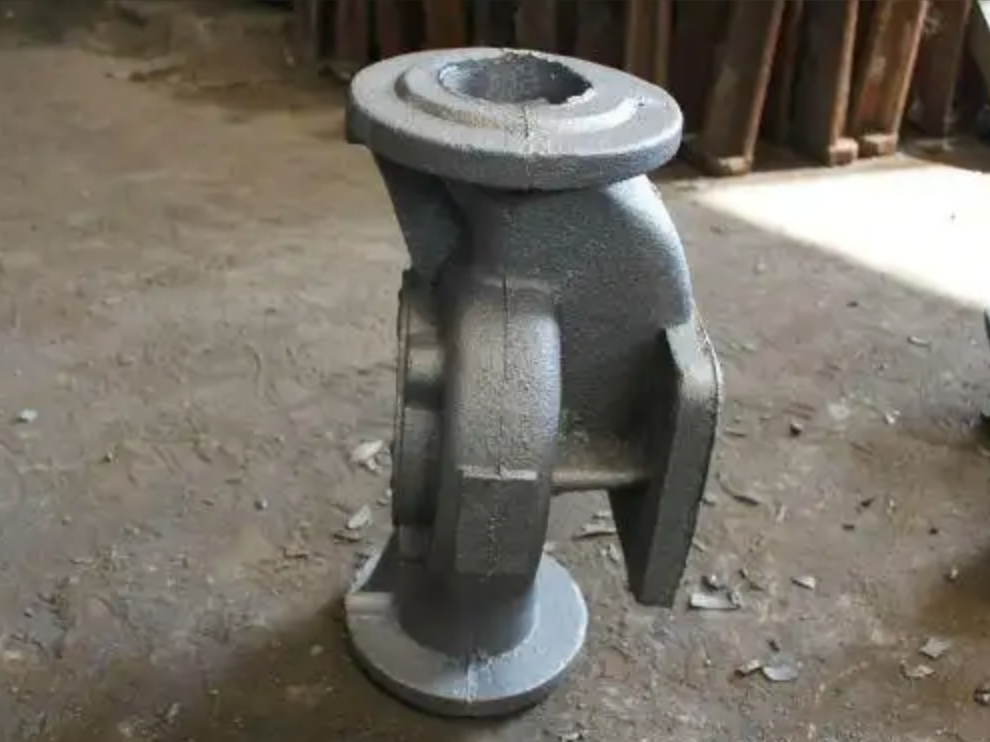
Advanced molding techniques like Lost Foam Casting or Resin Sand Casting are typically employed. Lost Foam Casting uses expandable polystyrene (EPS) patterns coated with a refractory ceramic. These patterns are placed in unbonded sand, and the molten iron is poured in, vaporizing the foam and perfectly filling the mold cavity. This process is ideal for complex, high-volume parts like grinding plates, yielding components with excellent surface finish and dimensional accuracy. Resin Sand Casting, which uses chemically bonded sand molds, offers high strength and low deformation, making it suitable for larger or structurally critical components like main housings and bearing blocks.
The pouring of the molten iron is conducted at a carefully controlled rate and temperature. The solidification and cooling phase must be meticulously engineered with strategically placed risers and chills to promote directional solidification, thereby minimizing internal defects such as shrinkage cavities and porosity.
Precision Post-Processing and Quality Assurance
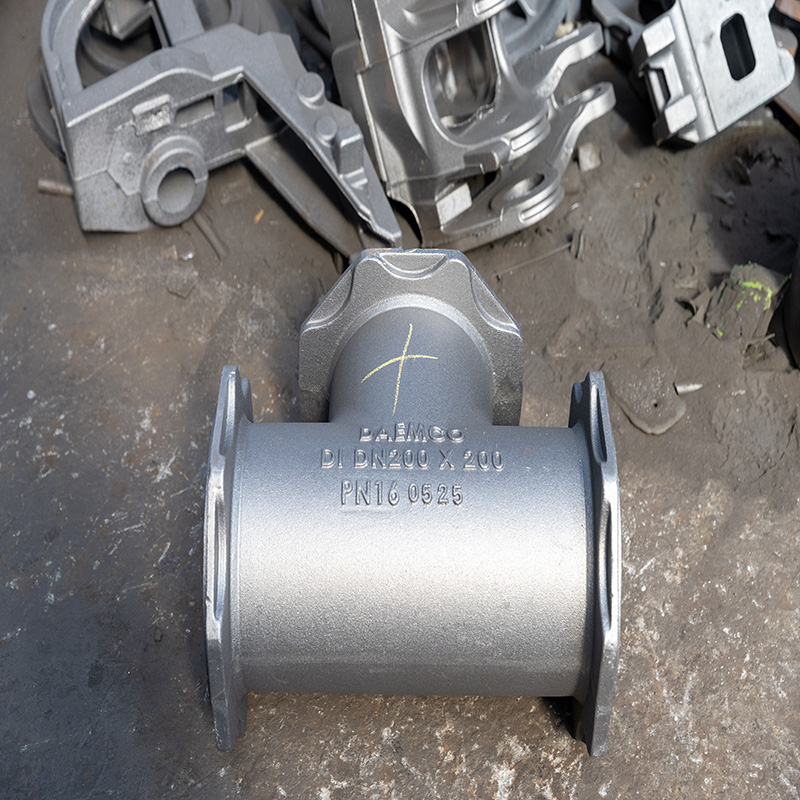
After cooling, the raw castings undergo shot blasting to remove any residual sand and scale. The key components then proceed to the precision machining stage. Using CNC milling and turning centers equipped with carbide tooling, critical surfaces—such as bearing seats, mounting interfaces, and the grinding corrugations themselves—are machined to tight tolerances. This ensures micron-level accuracy in geometry and surface finish, which is vital for optimal mill performance and alignment.
Finally, every finished part is subject to a rigorous quality control protocol. This includes dimensional verification, hardness testing, and may involve non-destructive testing like ultrasonic inspection to guarantee internal soundness free from critical flaws. It is through these meticulous industrial processes that cast iron parts become the robust, reliable foundation ensuring the stable, efficient, and long-lasting operation of professional grain mill machines.
Products
Hot News
Contact Us
- Phone:+86 15941574876
- Fax:0415-7875330
-
Email:jackma@px-casting.com